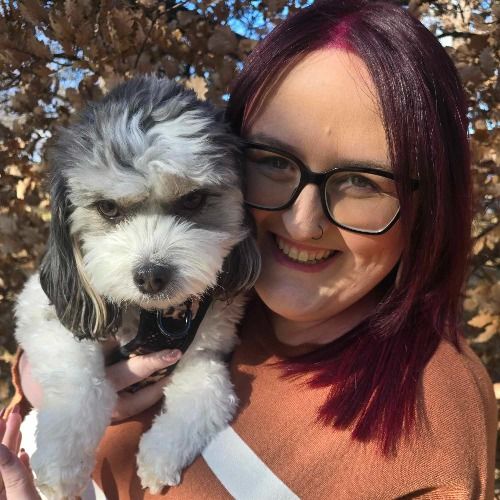
Episode 104
From Obedience to Autonomy and Life Beyond Fundamentalism
In this episode, Naomi shares her journey of leaving the Independent Fundamental Baptist (IFB) world and navigating life after such a high-control environment. She talks openly about the emotional and psychological toll of religious trauma, including the difficulties of estrangement from family and the fear that comes with questioning deeply ingrained beliefs. The conversation highlights the importance of self-kindness, prioritising mental health, and reclaiming autonomy, while also exploring the opportunities for growth, empowerment, and building relationships on one’s own terms after leaving a strict religious system.
Who Is Naomi?
Naomi Norton is a Licensed Marriage and Family Therapist in Missouri and Kansas, an AAMFT-Approved Supervisor, and the founder of Hope for Healing Therapy in Kansas City. She holds a PhD in Family Therapy, with research focused on how white fundamentalist evangelical Christianity conceptualizes mental illness. Her work includes developing a White American Fundamentalist Evangelical Power and Control Wheel, inspired by the Duluth Model.
Naomi has worked in the mental health field for nearly a decade across psychiatric hospitals, child welfare, and intensive in-home therapy. She specializes in working with individuals and families impacted by religious trauma, spiritual abuse, faith deconstruction, and complex mental health concerns. She is trained in DBT and EMDR and is deeply committed to helping people heal from harmful religious systems while reclaiming their identity, autonomy, and sense of safety.
Connect
- Find out more about Naomi via her website - https://www.hopeforhealingllc.org/
- You can also find her over on Facebook
- You can find out more about Sam on her website - www.anchoredcounsellingservices.com.au
- To connect with Sam on Instagram - @anchoredcounsellingservices
- Want to contact with Sam about the podcast or therapy? Use this contact form.
- Also check out The Religious Trauma Collective
Transcript
I would like to begin by acknowledging the traditional custodians of the land on which I live and work, the Gundagara land and people. I pay my respects to their elders, past, present and emerging, and extend that respect to all Aboriginal and Torres Strait Islander people.
I also want to acknowledge the traditional custodians of the lands on which you, our listeners, are joining us from today.
I recognize the deep connection that first nations people have to this land, their enduring culture, and their commitment to the preservation and care for their country. This land was never ceded and it always was and always will be aboriginal land. Welcome to beyond the Surface.
This is a space for conversations that sit at the edges of faith, identity, power and recovery, especially for those of us who have been shaped so stretched or harmed by fundamental religion or high control systems. Some episodes are personal, some are reflective, some are educational or curious or quietly disruptive.
All of them are grounded in lived experience and a deep respect for the complexity of leaving, questioning and rebuilding meaning.
We will be talking about religious trauma, various forms of abuse, cult dynamics, queerness, and recovery, not in answers, but in honest conversations. In listening to these conversations, some parts might be heavy or activating for you.
Please take care of yourself while listening and feel free to pause or step away if you need to. I'm Sam and I'm really glad that you're here with us.
Sam:Welcome. Naomi. Thanks for joining me.
Naomi:Yes, thank you so much for having me. I'm so excited to be able to talk with you.
Sam:Amazing. I like to start these episodes by just a little bit of, like, location orientation for people. Where in the world are you at the moment?
Naomi:So I am currently in Kansas City, Missouri. The United States.
Sam:Okay. And like I usually do with some US Guests. How are we doing over there? Bit of a welfare check.
Naomi:Yeah, it's. It's. I mean, it's different between me personally, but also like the whole.
It seems like broad U. S. Like everyone's sort of like reeling and trying to figure out what's going on. A lot of people who've experienced trauma and authoritarianism before and especially high control religion, like, we oscillate between.
We've been here before, nervous systems get so freaked out to then like, resenting grounding and then getting back into doing the work to try to challenge what's going on in the US but it's. It's very overwhelming. I mean, they're definitely taking the. We throw everything out there as much as we can and overwhelm everyone.
definitely not what I thought:But I mean, granted, even before that, I can't believe that this individual got elected again. Just even hearing a lot of the rhetoric he talks about people that.
I'm like, oh, and so then I think that really suck in even deeper just about a lot of the racism and sexism and xenophobia and everything that's really rooted in the U.S. i'm like, we really haven't done the work that we really need to do. So I hope this is really calling people to. To dig in more because it's. It's embarrassing, but also it's.
And I think, like, growing up, I heard a lot about like, oh, well, Germany. Like, they were the bad people and like, they elected Hitler and all this, and now they have to face the that.
And I'm just like, well, us, we have a lot of stuff in our own history. I mean, we. I mean, what we've done to the Native Americans and then what we've done to the black community and other ethnicities that have come over.
And then now what we're doing here, I'm like, it is.
I mean, even the concentration camps we had for the Japanese individual Japanese Americans, like, there's just so much in our history that we have not wrestled with. So, yeah, hopefully we'll do that.
Sam:Yeah.
,:It can't get any worse than this. And then it kind of did. And we're kind of like, oh, okay, like, how do we deal with this? Like, our nervous systems are not designed for this.
Like, it is like, what a time to be alive kind of thing. At times it feels all too familiar and then absolutely ludicrous at the same time. So it's just a bizarre. It's a bizarre time. Hey, so, yes.
Naomi:Tell me for doing it, because I think of like, the people went through or two. I'm like, you know what? They just, they just went through it. Like, it doesn't mean it's going to be fun. It doesn't mean it's going to be good.
It doesn't mean. But it's like, you know what, we're going to buckle down and together we're going to push through. But yeah, I hope so.
Sam:I hope so. Yeah. Okay. I like to start these episodes with a big, broad question.
And I'm actually like, you are sort of like sitting in a small sect of people that I've had on the podcast where I'm sort of coming into this episode knowing very little about your story because I kind of just randomly found you because you were posting about Wicked and everybody who knows me knows that I'm grossly obsessed with Wicked. So. So I like to start this, these episodes with a big, broad, vague question, which is where does your story start?
Naomi:So my story starts actually in Colorado, which is a huge hub for a lot of like James Dobson was there, like Focus on the Family was there. Like, it was just a huge hub.
And I grew up in the independent fundamental Baptist culture and so my family, like it was rare that I wasn't at church like six days a week because my school was also at the church. Yeah. And so it's like I had like, it was. My life was very insular. My. I grow.
Well, I come from a divorced family, which is not looked favorably upon in.
Sam:That's pretty uncommon.
Naomi:Yes, it was not. It wasn't looked favorable. I mean, between the stuff that was going on, between my. I mean a lot of it seemed to be a lot of like the gender norms.
There was a lot of abuse going on. More of the psychological and spiritual and religious abuse and financial abuse that led to my mom saying I can't do this.
And so she ended up leaving for her own well being. And I'm so, I mean, I reacquainted with her back when I was 18 years old and she's doing so well right now. I'm so glad to see her thriving.
But after she had left, like she tried to get custody and tried to. And my father just used that as a way to like gain more control. And so she ended up having to walk away from that.
And so my father moved us in with his parents. And so I have three other siblings and I'm a triplet, which is a fun thing to note. Yeah.
And so I was actually raised by my paternal grandparents and I think like they were like, they have a lot of problematic ideology and also they created this safe haven that sort of helped me get through a lot of things. And so there's like, this weird tension where it's like, I have a lot of gratitude for them.
And then also there's certain times where I'm like, you really caused harm too.
Like, and also recognizing in their culture, and more specifically with my grandmother, like, I don't think she was aware of how much the IBF culture was affecting her, because she would even have to. She talk about, like, how you have to manipulate men. And she's just like, you can't outright tell men something because it's just.
It's going to make them angry or upset. So she would have to maneuver around to make it their idea.
But then also, like, she would almost have, like, a childlike response when someone told her no or she didn't hear what she was expecting. Like, she would just sort of sit down and cry and pout.
Which makes sense growing up in that culture and just how trauma stunned some of our emotional development. And so, see, as I get older and reflecting back, I'm like, oh, wow. There was a lot.
Like, she was also affected by a lot of trauma from that culture that then she just sort of passed down. Yeah. But then growing up, my father continued the more of the similar abuse to each of us children in different ways, which is interesting.
Um, but my older sister left when I was, well, when she was 18, and she's two years older. And so that had a whole trauma history to it because my dad framed it as though she was rebelling and leaving.
And so we didn't have a lot of communication with her. And then my triplet sister ran away from home my senior year because there was a lot of just oversight.
And I was put in a position where it's like I needed to take care of her. And so I was like, monitoring what she was doing during school hours. And, like, it just led to a lot of conflict.
And then with my brother, like, there was different type of abuse. I'm not too engaged with his abuse because at the time when he went through the abuse, I was away at college. I just hear some.
Some different stuff that goes on and on, on and off a little bit. But what happened ended up leading to where I don't have a relationship with any of my siblings now. Like, it just ended up disintegrating.
Everyone had to, like, center around taking care of my dad. And if they want a relationship with him, then they have to align with what he believes. If not, bad things happen.
And so if you're not willing to conform, then you're a scapegoated and you're the Ostracized one. And so sort of the pattern growing up. So I've had to do a lot of healing around that.
But then I went to college, which was so fascinating because I was going to go to Moody Bible Institute in Chicago to be a missionary because that was my family's legacy. And, like, ever since I was little is so. I mean, it cracks me up because I was like, I was going to be a missionary to an Australia. Like, I.
Like, I have notebooks full of stuff from Australia, and, like, just. I was, like, going to go there. And then, like, when I got. I got put on the waiting list for Moody, which broke my heart, was like, that's okay.
I can go in later. And so then I was like, but I don't want to wait. I'll do my gen Ed.
So then I went to a different university, and as I was in that university university, I was like, huh, I don't really want to be a missionary. Like, there's more opportunity for me because how I was raised, it's like, that's what you do. Like, well. And a part of my story didn't share either.
Like, I got saved very young.
I was five years old, and I got saved after a church sermon that talked about hell, and there is gnashing of teeth and fire, and you're not going to know anyone. And so I get home and I'm petrified. And so then that sort of put me on that trajectory where I prayed the sinner's prayer.
And then after that, like, my siblings called me the angel, because they're just like, you just always do what's expected of you. And I didn't realize how much high anxiety I had. That's like, I was a rule follower because that's where I knew I was safe.
And so then I kept hearing, like, oh, it's your job to be a missionary. It's your job. Like, either you get married or you go be a missionary. And I had a lot of history around relating to my body and just how I saw myself.
And so I'm just like, marriage. Just, like, as much as I want to be married, I never thought that was in the cards for me. So I'm like, all right, missionaries.
And so then I go to school, and then I'm. I mean, it was still a Christian school. It wasn't a Baptist school, but it still was very regulated.
And so when I get there, it, like, it was nice because I'm like, my parents are over here, so I can start to be curious around my identity. And what it means to be an adult and on my own. And so then I ended up meeting my now husband there.
And after I started dating him, like my father, my relationship just really imploded. And it got just real. Like, he would drive from Denver to Kansas City, like, to set up a meeting with the president of the college.
Didn't tell me he was doing it until two hours before. And, like, would have this whole, like, intense meeting and just lots of other stuff that would go on.
Um, and it led to a place where I actually couldn't, like, cognitively, I couldn't figure out what was going on because I'm like, I'm a rule follower. My father knows me. Like, I. I, like, I'm following God. Like, what is wrong? Like, why. Why am I getting hurt?
And so that's where it really started to break things down. And I started reaching out to other people. And I just kept getting those messages of, like, well, you just have to pray. Like, just trust God. Follow.
Pray that he'll change your dad's heart. Everything will be okay. And I just kept. Like, that didn't satisfy because I'm like, but I keep getting hurt. Things don't change.
And you're telling me to keep doing what I'm doing, but I'm supposed to listen to my dad who's hurting me, and I believe that I should be going a different way, but I'm supposed to silence myself. And so that really started the starting point for my deconstruction.
I didn't really know it at the time because there really wasn't the words for that.
But, like, the more I did, like, some therapy and getting out on my own, and then, like, when I graduated, I started thinking of, I really want to understand why my family affected me the way they did. And so then that's what led me to get into marriage and family therapy. Because they think of what's going on in a systemic world.
And so looking at systems, I started to realize, like, oh, it's like, my father interacted with me this way, my family interacted this way. But it's more than just that. It's also the religion and it's the culture.
And so, I mean, that my master's degree was a very painful degree because it was also the time where I realized that I don't know a lot of things because my education was very skewed.
Sam:Yeah.
Naomi:Because, like, I grew up believing that men have one less rib than women because God made Adam old, Adam and Eve.
Sam:Right.
Naomi:Like, everything has to be biblical.
And so it's like I get there and then trying to like, figure out how do I engage with the outside world and having other people respond to me in a way then like, I don't understand, like, why are you acting like I should know this? Like, this is the first time I'm hearing it. And then even exploring diversity, because nobody growing up ever talked about diversity.
It's, we love everyone, but hey, these people don't belong here. And it like, it's just like, it's weird disjointedness.
And so the class was really foundational in really pushing back on me, which, I mean, in a way it was also wounding.
But also I had a professor I could go to that really challenged me to dig into that and be like, go ask people how they see you and how they experience you. And so that really started to lead me more on that journey of, okay, what's going on?
And so hearing other people's stories, which furthered my deconstruction. And then I went and got my doctorate. And my doctorate explored how white fundamental evangelicals in America make sense of mental illness.
Because I kept growing up hearing how it's a sin, it's demonic possession, or it's just nothing. And so I really wanted to understand what was going on.
And so then the more I dove into that, it was just fascinating to start to really see more of those cultural ideologies that were really being fused within the religion. And so then that really like, further propelled my deconstruction journey as well.
Sam:Yeah.
In terms of like, when you were younger, what, like, who was like, you said that you got saved at age 5, which, like, you know, we, we love the whole like, you know, developmentally inappropriate things being given to underdeveloped brains and ages. We love the irony of that.
How do you look back on getting saved at an age where you actually can barely understand the difference between an apple and an orange, let alone eternity and hell? And then sort of, how did that impact what your relationship with who God was to you at that time and sort of like into your early teens?
Naomi:Yeah, well, I think if I put myself and my five year old self, it was a space where it's like, I don't really have a choice. Yeah, like it, I mean, people will say like, well, it is a choice. Like you have to choose to believe who, that Jesus is God.
But then look at, but I'm like, but it's not like you're telling me if I don't accept this, then I'm going to Go to a lake of fire, not see anyone. Worms naturally like this torment forever. Yeah. Okay.
But then also like it growing up, like with not having my mom, it was also a space of like where I felt even more like I want to be with my family. And so you're telling me I can't be there. And so it's just like there wasn't really an option.
And then now like at my older self looking back, I'm also like, I was like, I'm sort of surprised like for the five year old to be like, you navigated a very complex system to figure out how to stay safe. Yeah. Like even though there was still harm occurred, it's like it definitely could have been very different.
But also it's like just naturally navigating. So like that, like, okay, go five year old. Like, yes, there was still stuff that happened, but you navigated that system.
But growing up like God was presented as everything. And it's like he had to be your all. He had to be the lover of your soul. He had to be like, you had to be married to God first.
You had to, if you didn't know what, couldn't decide on something. You just had to pray and like, God's gonna guide you. Like, everything was centered around God.
Sam:Yeah.
Naomi:And so thinking like I remember this, it makes me laugh. But I love to read. Well, I love to read, but I only read Christian literature.
Sam:Yeah. I mean, I had no idea anything else.
Naomi:Right. I had no idea. Like the first time, like in college, I had to go do a book report on this fictional book. I was like, okay, any book.
Okay, I'll go find something in the library. And I like read the book and I'm like, oh, this is not like, what is this?
But it's like even like literature was like everything was just so much around God that it's. Well.
And there was even like the framing to like how I associated my father to be like God because it was just like your father is representative of God and how you treat your father and how you interact with your father is going to be how you treat and interact with God. And so you have to make sure that your doing well with your dad.
So that way, and not only just how well your relate your spiritual life is being, but also it will predicate what your future life is going to be with a significant other.
Sam:Yeah.
Naomi:And so it was like no pressure to, to bond and really like align with what your father is saying.
Sam:How was that impacted by the fact that like your grandfather was also there and There is, like, a hierarchy of male authority essentially around you. And, like, in some ways, like, is that confusing for a kid to sort of have?
There's, like, God, but then you've supposed to have, like, dad as the next male authority. But also you've got grandfather there as well. And there's, like, an age different, like an elderly sort of, like, elders thing happening there.
What was that like?
Naomi:Well, like, looking back, I don't think I. Like, I really noticed because my grandfather was more, like, in the background. Okay. Like, he would just. He'd be reading the newspaper.
He'd be the one transporting us wherever, but he wasn't, like, the forefront. I mean, he made sure we had a good breakfast in the morning. Yeah, he was always making something, but he not, like, he never was, like, super active.
Like, my grandmother did more of that spiritual role, and, like, she would make sure we do devotions, and she did children's church for the church we were at. So we all had to participate in that. And, like, she was just very. I mean, she loved kids, and I loved her passion for. For that.
And also, like, my grandfather just was on the back end. But then apparently, like, my father felt like my grandmother was overstepping the spiritual leadership. And so then they had an interaction.
And so then after. I mean, it was like, one year where we would do devotionals with grandmother before school, and then it just stopped and we.
Sam:Yeah, because that's a weird gender role thing happening there, because that's pretty uncommon.
That, like, she would have taken on that spiritual leadership and not the fact that there are two other men in the home that, like, quote unquote, should be doing that.
Naomi:And it's weird, though, too, because, like, growing up in the culture, it's like, women, it's okay for you to teach kids.
Sam:Yes.
Naomi:But it's not okay to spiritually lead.
But somehow teaching as a spiritual leading or only in certain settings, because she could do, like, this children's church where there is, like, 40, 60 kids there that she's teaching. But in our home, it's like, no, that's not okay. This is my father's domain. So you have to step back.
And so, like, I mean, again, like, seeing just that, the trauma that my grandmother even had to go through and navigate of just like, I don't know where to where I lie. But, yeah, like, my grandfather was on the back end. My grandmother tried. Got pushed back by my dad.
And so it just grew up more as, like, my dad is the leader of the house, and more of my grandparents Played a supporting role. Like my grandmother did more of like the nurturing and the day to day making sure we get our homework done but.
And making sure we do our laundry and all that. But like my father, he worked as a truck driver for UPS and so he was gone from like 6 in the morning till whenever his packages were delivered.
And so it was mostly gone for almost 12 hours a day, if not longer around the holidays. And so we really didn't see him too much. And so I was mostly raised by my grandmother with my father's oversight. Like it's super weird.
Sam:It's.
I mean sometimes I'm like if we try and make sense of things that like actually just like don't make sense, we just get sent in this like internal like cognitive spiral where we're like
Sam:yeah, but it's like this.
Sam:But actually no.
And then we just like go back and forth and we're spinning around and play those mental gymnastics that would just like keep us trapped for a really long time.
So I'm curious what the ideology of the IFB was like for you in terms of like interacting with the world around you and what you thought about different people. Because it's pretty conservative ideology.
Naomi:Yeah.
Sam:I mean it's not fundamental in its name.
Naomi:Right.
Sam:It's kind of obvious there was the
Naomi:red flag there from the beginning. But you know, we just gravitated towards it. I mean I understand why my family, I mean they were raised in it.
But also the men really enjoyed the, the power and control.
Sam:I'm sure they did.
Naomi:It was great. Well, so looking on the outside like it was more of a framing of other people are. Not that they're evil, but you almost have to be scared of them.
But you need to evangelize to them. But they only want bad things for you and you have to be careful of the rotten. I mean talk about the mental gymnastics.
Because it's like you can't be too close to them because it's like the rotten fruit and it's just going to make all the good fruit rotten. So you can't be too close. But you do need to like make sure you're planting the seeds so that way they can get saved.
So then that way you can have a relationship. But best off, like don't really interact with them alone. You need someone there, but you also need like it's just like a weird,
Sam:it's such a weird analogy for me because like if fruit is rotten, it's not ever going to be ripe again. Like it's just the Weirdest analogy. For me, I've always just been like, that makes no sense. Yeah.
Naomi:I mean, God can make anything happen.
Sam:Of course.
Naomi:Radical creation. You're a new person. You're a new fruit now.
Sam:Oh, goodness. Yeah.
Naomi:Yeah.
I mean, and I didn't do much interaction outside because even, like, when I did sports, like, we had a network of other Christian schools that we would do competitions with. And so I never really had an experience with the outside world. Because even, like, grocery shopping, it's like you don't talk to anyone.
It's like you just head down, just get what you need and get out the door. And so it's like, I really don't have even, like, with the neighborhood friends, like, there wasn't a lot of interaction around.
My siblings had a little more than I did because I just preferred to be in my room reading because that was safe and I was perfectly content there. But, yeah, just. I mean, it was just more of the outside world. Like, you. They're other. They're scary. You need to save them, but also be wary.
Like, you don't be infected.
Sam:Yes. Yeah. Because that's easy for kids to make sense of, for sure. You mentioned early on in the conversation that you reconnected with your mum at 18.
What was that like? And also, how did your dad talk about your mum while you were growing up? Like, because I imagine probably not glowingly,
Naomi:that is, to say the least. Like, there was a lot. Like, a lot of saying that she's just the egg donor. Like, she really didn't do anything.
I mean, stories of her being involved in witchcraft and how he saved her from demonic influences. Like, he was the savior of this. Of her, and she rejected him.
I mean, I got to the point where we didn't have any communication because we used to have visits with her. But then, like, my family would make it so traumatizing.
Like, my grandfather would come out and take pictures of her as she was getting us, and they would bring up my mom's history of trauma from her childhood and say, like, oh, well, she's gonna perpetrate on the kids. And, like, it just, like, kept leading to, like, such horror that my mom stepped back.
And then as she stepped back, they're like, oh, see, she doesn't love you. If she loved you, she would be here. And so it naturally created that distance where we almost had to be loyal to my dad and separate from my.
From my mom. And that was something I personally struggled with.
And I actually have a Bible that my mom used to have when she Was in college, and my sister got so mad that I had it that she actually hit it once. And I was so distraught. Like, this is the only thing of my mom that I have.
And so then later, she ended up, like, giving it to me or giving it back, but she just, like, would even, like, berate me for, like, you need to get rid of mom. Like, she abandoned you.
And so it's like he almost would create his own flying monkeys just with my siblings to try to get them to get me back in line, just like he had me do with my sister.
And so when I got 18, I think some of it there was some curiosity because I was like, okay, I'm experiencing my father in a different way, so I'm really curious what you're like. And so I actually got reacquainted with her, with my big sister.
And so we had a meeting together, and it was a little awkward, and there was a lot of anxiety. My mom, I don't know. Like, I think if I had met her when I was younger, our relationship would be very different. Yeah.
But I think, like, through some of the work that I've done and then, like, some of that deconstruction. But then even as both her and I have developed with my systemic training, I think I've been able to interact that relationship very differently.
And so she's just. She's probably like. I mean, she's the only family member that I'm really close with. Like, we talk almost every week. And she's one that.
It's nice because we can have the camaraderie around the religious abuse and even around the family dynamics, and it helps us not feel crazy, but then also be able to step back and be like, okay, like, now, how are. How is our life today? And how are we. Like, how are we shifting out?
Because it was just, I don't know, sometimes hearing some of the stuff that comes up. I'm just like, I went through that. We did that. Like, what? What?
Sam:And.
Naomi:And even sometimes, like, all have, like, just chunks of memory just gone where I'm like, I don't remember a lot. And so it's like, I have photos growing up just to Even times where I'm like, I don't even remember any of this. Like, it's just.
Sam:How is that for you?
Naomi:It's unnerving. But also part of me, too, is like, I think that's. That's a protective factor, too, because I think, like.
And some of it, too, I'm like, I also don't know how aware I was of other things around me because I was so focused on reading or doing schoolwork or doing what I needed to do that I think I almost created my own bubble at the same time to help me get through it. So I'm like, I don't necessarily see as a bad thing.
Sometimes I'm like, I really wish I could remember more, but then also, like, I do remember a fair chunk, so I'm also okay with that too. Like, I don't have to try to dig into that.
Sam:Did you think differently about that before you became a therapist?
Because I'm hearing your response and I'm like, oh, my gosh, it's such a therapist response to sort of like, refer to whole chunks of time not being able to be remembered as like a protective nervous system response. It's like, like, yeah, I mean, yes, it absolutely is. But did you, like, how did you feel about it before you became a therapist?
Naomi:Well, and I don't know that I really recognized it until I went to. To school for marriage and family, because I was. I went through.
I mean, it's so weird because I'll even talk to my husband about, like, the abuse with my father. Like, it feels like it was like 10, 15 years because it actually it.
And it went like, when I lost my identity, I. I didn't realize, like, how much I was, like, reeling. Like, I ended up turning it. Turning to alcohol because I couldn't sleep.
Like, I was having such severe reactions and I got super angry and fun side note, I got expelled from the college for drinking.
Sam:And so I was Bellius, right?
Naomi:Well. And I go, oh, there's a lot I can say about the school, but it's like, there's a lot that went on.
And so it's like, even when it's with all of those, like, hot, like, major stuff going on at that time, like that. That time width feels like 5, 10 years. We're looking at it. It was only like a year, year and a half. And I was like, whoa. And so that felt weird.
And then when I went to college or to my masters, and they're like, hey, let's look at your family and family of origin. And, like, do all this where it
Sam:was like, wait, do we have to.
Naomi:What? I don't. What do you mean? Like, when I was this age, I don't remember a lot about this. Like, I remember going through the motions.
I remember what's expected of me, but I can't sit down and really remember tons of memories, like with friends or with like sitting. I mean, I know I went to church, but I can't sit there and talk about like what the Sunday school classroom was like.
Like, it was just like, I just know I was there, like, because I. I almost dissociated just to be there. But I mean, so. Yeah, I don't think I really. I think when I once I realized that was like, oh, that's weird. Yeah. What do I do with that?
Like, do I need to do something with it? Like, I don't. I never knew this is something someone could experience. Like.
Sam:Yeah.
Sam:What do you mean?
Naomi:There's just a chunk of unknown. Like, I can't even describe the unknown because it's just like it's just gone. Yeah.
Sam:And I think it's something like, it's an interesting part of the conversation, I think because it's something that I think so many people do experience in this space. Because the level of dissociation as a young person in, you know, high control systems is huge.
Like, it's the, like it's one of the strongest survival mechanisms to get through a fear based system, essentially. You know, I talk about dissociation as like a really cool part of our nervous system that kept you safe.
But it's weird to think about it as an adult that there are just like whole chunks of time and you know, spaces that you existed in that you just don't have any memory of. And so I think even just like normalizing the heck out of that for people is really helpful.
Naomi:So much so.
I mean I, even as you were talking though, like it did bring up like I remember times being worried that what if something really bad happened to me and I don't remember? And so it's like, am I blocking even more trauma that I can't speak to or I can't. And so there is like that undercurrent.
And then like even I think like now through a lot of the work that I've done, I'm just like, you know, it's okay. Like my, my whatever was back there, like it's blocked out for a reason and that's okay.
Like I don't have to try to dig in unless something's really telling me or coming to the conscious. But like, it's okay. Like I can still be me and have my family and have my roots and still have these gaps. Both can cohabitate.
Sam:Yeah, absolutely. And I think like, unlike. It's unsettling for sure. I think that's probably. It's uncomfortable. It's unsettling. It's Disorienting. Absolutely.
But to get like super therapy for a second.
Like also our bodies are really good at allowing us to experience what we need when we have a built up a level of safety to experience it and to not do it until that point. And so it's. Yeah, it's. Yeah, it's definitely unsettling and uncomfortable. But our bodies are really freaking cool in that way. Yeah.
So in terms of like sort of like in your young adulthood sort of studying and like starting to like, you know, I don't really like the word deconstruct, but deconstruct, like starting to untangle of this. What was it like for you?
Untangling, I guess the family and the abusive dynamics and then the ideology, like the religious ideology and conditioning and indoctrination. Like did those things happen simultaneously or did they happen at different paces?
Naomi:I think, I mean I'd say the family one probably started. I mean definitely started first. Yeah. And then it.
I think the cultural aspect really got caught up because of how other people were interacting with me. But then even my in laws, like they live in Maine and so, so different sides of the US like Maine is like 28 hours driving from where my father is.
Well, probably more than that at nine hours. And yet they also had a similar framing. And so that got me real curious of just like how can people from. From such distance have these same things?
And so then that's where I think it really had me dug dig in more into the like the religious cultural aspect and then be able which then also furthered my own individual side because it's just in family because I'm just like, okay, I can see more of what I don't like, like and, and I can put names to as to why I don't like that. And so then it almost is like now they both sort of matched up after a period of time and then now they're sort of sinking.
Sam:Yeah, but I mean you mentioned that like dad got sort of like wrapped up in that idea of like God and authority figure and like all of that dynamic. And so I am curious just from like.
Because obviously we talk about like having a relationship with God and so I'm curious, once you' sort of like unpacking and the unraveling of like the abuse dynamics with your father, what impact did that then have on what was your relationship with God at the time?
Naomi:Well, when I went through the stuff with my father, there was actually a time where I'm like, I just can't do anything faith related. Because it's just like, if my. If my father's treating me this way, then I want nothing to do with God.
If my dad is supposed to resemble God in my life, and if God's okay with how he's treating me and isn't doing anything to change him. Like, I'm just supposed to submit and let this abuse happen. And I'm like, I can't do it. And so I actually walked away for a long time. And then it.
I mean, it sounds, like, super weird because I'm just like. And then what brought me sort of not really back to faith, but more so engaging with the Christian culture.
Sam:We love a redemption story.
Naomi:I mean, it was actually John MacArthur. And I'm just like. And then now, oh, my God, there's a horrible. But it's like, it was. It was something that, like, some of the Bible studies I did.
I don't know if my. It's because of some of, like, my own journey where it's like, I could engage with his material a little differently.
But it's that space where I really started to ask questions. And then, like, I ended up connecting with a church that was very similar to how I grew up, but also had more, like, we care about people space.
But then the ideology started popping up more, and I'm like, I can't do that. And then, funny enough, because we love how our nervous systems work, we go to what's familiar, not what's necessarily safe.
I go to this other church that is even more rigid, and it's more like the church that I grew up in. And I butted heads with everyone there because they're like, naomi, you keep asking a lot of questions.
But also, like, I was doing a lot of work around, like, the critical race theory and really digging into, like, power dynamics, because I would ask the pastor, like, who's holding you accountable? Like, you talk to all of us. So how. How are you held accountable for what you say?
And he's like, oh, well, the congregation does because they sit under good teaching. And so if I say something wrong, they're going to hold me accountable. I'm like, that's not how that works. Like, not at all.
And so then I would ask, like, lots of questions and stuff in, like, the smaller groups. And so then I ended up leaving because I didn't feel welcome. But also, they ushered me out in a way because they're just like.
They had the elder of the small group come, and they told all these stories about how, oh, yeah, if people come to the church, and they just are not doing what we're at. Like, we will actually show them to the door and tell them they're not welcome back.
And then they turn to me and they're like, naomi, on your Facebook, you talk about a lot of stuff. Do you want to talk about it here? And I'm just like, I see what the writing on the wall. Like, I'm just.
Sam:Goodbye.
Naomi:And so then Covid hit and then that's when I ended up leaving. Like, naturally leaving. But then it was so funny because they tried to get me back, but they got. Tried to get me back in a way of.
There's American Biblical Counseling Associates in Kansas City, and they have horrific teachings around counseling. But they were like, naomi, the leader of ACBC is now coming to this church. You need to come talk to this church.
Because you're struggling with integrating psychology with your faith and all that. So you need to do that. I'm like, no, I don't have an issue with that.
I have an issue with how you're interpreting scripture and using power and all of that. And so I'm just. So we ended up just distancing and then I actually haven't been back to a church, but.
But going through that, I actually started learning more about liberation theology. And I was like, oh, this is a very different way to. To see the world in.
And so then that really dove me into, like, I don't really have like an organized religion. I also, like, I don't know If I know 100% of Jesus was a real figure or not. I'm like, and I also don't care.
Like, at the end of the day, I'm like, I just want to know that I'm helping support other people here now. Like, the here and now matters. Like, and I'm not going to be so worried about the future because I'm just like, you know what?
Heaven, hell, non existence, whatever it's going to be, it's going to be like, it's not like I can do anything to change it. Yeah. So I'm like, I only impact here, so. And so that's where I really start centering my.
I don't know about faith, but more so morals and values around of like if a certain ideology or a teaching or. Because I'm also like, like, I'm not one to say any of the religions are bad or wrong. I'm like, we're all trying to make sense of.
And so I'm like, I think we can connect with lots of different faiths and it's great. And also there's a lot of things through them. Like, hey, I can May not like that, but I may like this.
And that's okay, because at the end, I want what I believe to hopefully make me be a better person that helps contribute to the world around and helping those who are marginalized and oppressed and suffering and challenging those in power. And so it's sort of like a long journey. But even just how little steps along the way of, like, you know what?
I. I can sort of bob and weave in that faith, but also step back. And I mean, I still get pressure from. Well, I'll go back because even earlier. Not earlier, but more so like after I left that.
That one horrible church that also told me to leave, like, they. I had, like, I would call it my IFB voice because it's like, it would just keep popping up in my head.
And so if I said or did something, it would have, like, this. This challenge. Like, I could quote any Bible verse and I could. Could critique anything. And so I'm just like.
Which then it made me laugh because I'm just like anyone, any other Christian I came along to. I'm just like, I can do this so much better than you guys. Like, I know how to shame myself so good. Like, guys, sit back. Let me do it for you.
Like, you're. You're missing things. And so over time, that sort of has dissipated.
But I've had, like, certain people come up and be like, hey, you need to go back to church. Why aren't you going back to church? And so even getting placed to the place where I can say, you know what? I'm. I'm content right now.
Sam:Yeah.
Naomi:Like, I don't feel the need, like, the organized religion, the church, the other, like, that really doesn't hold much for me. And that's okay. If other people want to go, that's your choice. But for me, you know what? I'm gonna have downtime because I need that.
Sam:I mean, I am curious, like, emotionally what it took to get to that point, because I, you know, we. We both know that, like, navigating, like, shame and religious guilt and conditioning and all of that sort of thing, it doesn't.
We don't just read a book and then we're like, great. All desensitized and cure and fun and good. Like, it takes a lot to get to the point where we can even say, I don't know, let alone I don't care.
And so what was it like for you? Sort of like, unraveling all of the emotional attached to all of that.
Naomi:I don't know that there's a simple answer to that. It's one where I'm like, there are some days where it's like I was just bawling. Like, I just couldn't put words to anything.
There were other times where I just got really angry. I. It.
It sounds super weird to me when I say it back, because it's like, even after getting my master's in marriage and family, and I was going into my doctorate, and I. From my doctor, I created the power and control wheel for white evangelicalism and how the culture shapes everything and leads to.
To coercion and even how the Bibles translate and all that. And, like, I was sharing it with someone, and he's like, man, Naomi, like. Like, this was. This is really cool.
And also this journey for you to get here, like, that had to have been brutal. And it's like, when he had said that, that was like. When it really hit of, like.
Like, okay, yes, now I'm really sitting with everything of, like, you know what? Like, yes, there's been a lot of hits. There's been a lot of rejection. There's been a lot of me.
I mean, even now, like, I still struggle at times because it's like, I have, like, this core belief that keeps popping up that there will always be something about me that will be unacceptable, that someone is always gonna find something to, like, push me away or shame me or. Or whatever. And so it's like, I have to really moderate that because it's like, that's been something that has been instilled as a child.
And then even growing up, it's like, that has just been fertilized and grown. And I'm getting better at it. I mean, it takes time for me to recognize when that is really speaking up.
And so it's like, the more I start to be aware of, like, okay, now that I have a name for it, and then I start to recognize the signs of, okay, someone said something, and I'm really reactive. Why am I really reactive right now? It's like, oh, you touch this spot back here. I don't know that, you know, you did that, but this is really big.
And so then I started to slow it down even further and then even recognize that's the time where the IFB voice would get in. It was just, like, trying to get me back in. And so the more I was able to recognize, okay, it's bringing its friend, and we're really.
It's really Trying to pressure me back. Which then it was also weird because then I'm like, no, you can't tell me what to do. Like, I get to empower myself. I get to make my choices.
Like, what you're saying doesn't make sense. It's not logical. And it's okay for me.
Like, and even sort of coming to terms, I'm like, okay, even if what you're saying is true and I'm going to go to hell because of all this stuff, I'm like, I would rather go to hell and know that I was taking care of people here. If you're saying I have to people to go to heaven, like, I don't want that.
Sam:Yeah.
Naomi:And if that if God's gonna send me to hellfit, like, fine.
Sam:Like, I always joke that if, like, if all of the. If we are going to hell, it's gonna be a really fucking fun time because all of the queer people are gonna be down there. The music's gonna be great.
Like Chapel Rome will be playing.
Like, you know, and all of the people that are like, like really shitty right now, if they're all the ones gonna be in heaven, I want to be there anyway. So. Yeah, but to get to that point is like, it is a really brutal process.
I think that is a really, you know, like, it's not a great word, but it's a great descriptor of what that process can feel like. But yeah, I mean, and to sort of like therapy, nerd out again for a moment.
Like, I love that part of the conversation because it sort of just normalizes that those, those parts of us are not magically going to just disappear. We can't just exterminate them and pretend like they never exist. I love sort of like normalizing for people.
We just want to turn the volume down on them. We don't want to give them the level of control that they did.
We want to desensitize to the impact that they have and like, all of those sorts of things.
But I think just knowing that they're never just going to be magically gone and I think that can release some of the pressure that we are somehow still not okay or not healed or whatever that's supposed to look like.
Naomi:And it's interesting too, because, like, for even for me to almost like, accept that this is a part of me.
Sam:Yeah.
Naomi:Because I'm like, when it gets instilled as a child, like, we don't have the capacity to really challenge it. And so it's like it gets so sucked into our psyche. That's like, there's times where I'm like, why did I react this way?
Like, I don't even believe that anymore. Like, why am I doing this? Or like having those automatic responses. And so it's like, I almost have to learn to accept that.
And just like, you know what? But that doesn't mean it stops here. Like, I can still keep growing. I can still keep challenging it.
Sam:Yeah.
Naomi:But also that doesn't mean I'm bad. It doesn't mean that I'm not doing the work. It doesn't mean that I'm aligning with them. It's.
I still, like, it's just letting me know, like, okay, like, there's that side and now you get to make this choice.
Sam:Yeah, yeah, absolutely. What has the impact been in terms of, I guess the, like, you mentioned that you don't have any contact with your siblings and. And things like that.
What is that relational rupture been like for you? That has not necessarily been caused by anything other than like really fundamentalist ideology. I imagine it's been hard.
Naomi:Like, there's been like. It's interesting because of course, like, with all of them, it's a little different.
Sam:Yeah.
Naomi:Because of my relationships with them are different. I mean, some of them it's been. I mean, ironically enough, like, with my triplet siblings, it was a little easier to let go, but it was more right.
Sam:I was like, yeah, I'm surprised by that.
Naomi:But it's like, you know, like I. For me, like, there was a dynamic of. I saw how much they were so connected with my dad that they were believing anything he said to them about me.
That I'm just like, if you're not going to take time to get to know me, if you're not really wanting a relationship with me, then I'm not going to invest in that. And so, like, it was a lot easier for that, for me to let them go.
My sister, my older sister and I, we develop a closer relationship after because after she left, like, I didn't have a relationship for a long time because my dad again, vilified because she was horrible and left and all that. That. Then when I got back and re in contact with her, it's like, it was awkward.
It was something that, I mean, we've had ruptures in our relationship throughout, and so there's been times where we haven't talked. And then we got back to talking and she's someone that I'm like, I see her really struggling to try to heal, to try to make sense of things.
And then I also know, like, there's been a lot of trauma and a lot of her own history that's also impacting things. And so that one was a little harder for me to be. Like, if we're not going, like, I'm not.
I don't want a perfect relationship, and I'm not expecting perfection, but I'm expecting, hopefully, that we can be messy together and we're going to keep coming back and working through things.
And when I got a message along the lines of, like, I'm just happy where things are, and I don't know if I want to move forward, I'm like, I can't do that. Like, I need to know at least we're going to eventually get back and talking. Because we kept doing a dynamic where it's like, if.
Where we had, like, a. Almost like a fake relationship where I felt like we were close.
And then as soon as I shared something vulnerable or something more relating to her, then I would get, like, an attack. Like, I'm being toxic and I'm being horrible. And then, like, then I would silence myself.
And then I started to realize of, like, I haven't really shared my experience of her. I haven't shared, like, why she's. She can't make sense of me because I'm not being fully me with her. And I want to be able to do that.
But when she was like, no. And so that. That rupture was more brutal. Like, that was a time where I had several days where it's like, it was just a breakdown, crying.
And I think it was almost like a healing space for me as well, because it's just like, that was almost like the last tether to.
To my family of origin besides my mom, which she's my family of origin, but she's sort of outside of it because she was removed for a separate section. Like, with my family of origin, where it's just like. And being raised in, like, my dad would tell me, like, look at who has the relationships.
If you're not in relationships, like, your mom has a relationship with no one, so she's a bad person. And look at all us. Like, I have a relationship with everyone.
And then like, when my sisters or whoever, like, oh, well, look, well, they have a relationship with this person. And so it's like, I really had to tease out because I'm just like, I'm a horrible person. Like, I'm all by myself with my mom. And what does that mean?
And then you get that wonderful voice in your head, that's like, Naomi, you're a therapist and you don't have a relationship with any of your family. And like, all the. It's like having to work through that too. Of like, well, why do I not have a relationship and what's going on? And it's like.
And I'm not gonna just sign up for relationships because I want to be with someone. It's like, I want it to be healthy or I want it for us to be able to work on things. And so if that's not something people are willing to sign up for.
And one where it's also like, with my father, there's like this space of, you do have a relationship as long as you do what we say. Yeah.
Sam:And I'm just on compliance.
Naomi:I'm just like, but I want this type of relationship. And they're like, well, no, that's not really what's going on. It's this. So you need to agree with this. And then I'm just like, yeah.
I mean, that's where I really like my. The master's degree. Because they're just like, you get two choice. One choice, you can choose the relationship or the person.
Like, if you want your dad, then you have to sign up for the relationship he's saying. Or if you want. Want a healthy relationship that may not involve your dad, I'm just like, oh, that's what's happening here. Okay. I don't want that.
Yeah. And that's okay for me to say no to that. And it doesn't mean either one of us are bad. It's just we may be healthier people apart, and that's okay.
Like, I can step back.
Sam:Yeah.
Sam:It's also really tricky, I think, because, like, obviously most fundamental and high control systems, like, require you to either abandon parts or your whole self, essentially to adopt the identity of that group. And if, like, as you were talking about your. Like that.
Your sister, I was like, it just sounds like, you know, as soon as you give, like, real parts of yourself, that's when it, like, loses any sense of a relationship. And it just is like mirroring the same dynamic where you have to give up yourself to be in a relationship with. With someone or to stay in the group.
And any sort of, like, self abandonment is not, like, true healthy or safe relationships. So that makes it really hard.
Naomi:Oh, absolutely. And it.
It's also something that, like, it hits me when it, like when I ended up separating from that relationship, because it's like, with that core belief of something will always Be unacceptable. I'm also sitting there. Like, I keep signing up for relationships where I keep getting this message back.
So it's like, I don't have to sign up for those. Like, I can also choose to take a step back as well and continue my own healing in a different way.
And she can be on her journey and I wish her the best and I want the best for her and I love her. And also I'm like, we can't keep doing this because we're hurting each other. And that's like, it's okay. Yeah, yeah, yeah.
And it's like, try to make this work or try to like, feel like we were just going to be in relationship as it is because it feels, it's like, no, like, we don't have to. Yeah, this isn't working. I can be because, I mean, that's another thing my dad would do.
He's like, I am still in relationship, but other people leave me because they're the ones that say they're gone. And so I'm just sitting there of like, is she not able to say goodbye? Like, is this.
Is she really out of the relationship but doesn't want to be the one to end it? And so I'm just like, okay, like, I can be that one. I can say, you know what, I'm done. Like, yeah, yeah.
Sam:You mentioned, I think you mentioned earlier you mentioned in laws.
So I'm assuming you're married and I'm assuming you did the, the very typical, like, good Christian thing to do, which was that I'm assuming you also married another Christian. And you sort of mentioned like the in laws being in the same pattern and the same dynamic.
And so I'm curious what impact sort of like deconstructing and coming out of. Of that sort of like system had on your relationship.
Naomi:Well, with. Well, relationship with who? Or just in.
Sam:Yeah, well, I mean, with your spouse.
Naomi:With myself.
Sam:Yeah.
Naomi:That relationship has actually been really good. Like, there, there has been. Well, I'll start here. It's interesting.
Like, I, as much as my abuse from my dad, like when it happened during college when I was dating him, like, he got to see the abuse and see how it impacted me and like, he was still in that mindset of like, oh, well, you just trust your dad and all this.
But then like, I had him listen to a call that my dad talked to me and then he saw how horrible my dad was towards me and then started like, I think that sort of gave him like, oh, things aren't all as they appear. And so then he really started to see more of the control tactics my dad was doing. And so he was able. I think that.
But that helped him relate to me differently. And so then as we. Well, and another fun thing, my dad also would call his dad up in Maine and tell him we were having sex.
And so therefore, his dad came down to Kansas City to see if we were having sex. And it's a whole thing. And so, like, the fathers are talking to each other to try to get both of us in align, but more so me in alignment.
And so, like the story of the father sort of bob and weave. And so I think throughout that journey, like, it also helped my husband Nate be able to sit and see, like, oh, how are people interacting?
And they're not really taking time to get to know me, and they're not taking time to me as Naomi to really understand what's happening. And they're missing pieces.
And so it almost created this natural space where both of us started to work through our faith at a similar time, but a little differently.
There was one time where I really had to push back on him because his father wanted me to do counseling with him to try to work on my relationship with my dad. So I was like, this is a bad idea.
Sam:With your father in law.
Naomi:Yes, because he's a pastor.
Sam:Oh, my gosh.
Naomi:And at the time, he wasn't my father in law, but he. He wanted to do counseling. And so I was like, okay, fine. I was like, if you want me to do this, I'll do this, but it's a bad idea.
And he's like, please do it. And so then as we start going, I'm just like, it's just not working because he just talked all the time. And if I had a question, I couldn't ask it.
And then when I could get in, he'd go on another monologue and just all. And I'm just like, this just is not working. And so I'm like, I'm done. And it was actually at a time when my husband I were engaged.
And so I broke off the engagement because I'm like, I want to be with someone that is going to be their own person.
Like, I'm fine if you're connected with your family, but I. I want someone that can really think through their own things and not just do whatever their dad is saying. Like, I've lived through that. I don't want that here. And so I think that really pushed him to really also reflect on who he wanted to be.
And he did that. To me too, in a different way. Because when I got expelled from college was also a day when he broke up with me when we were dating.
And he's like, you need to find yourself. And so it's almost like we both helped each other.
Sam:Yeah.
Naomi:In, in different ways to be like, hey, we really need to figure out our core self. And not just the core self, but really figure out, like, start that journey of who we are individually.
And so throughout that journey within our relationship, like, there's been a lot of, like, emotional intimacy and a lot of even cognitive intimacy because we can talk about things without having to be scared that the other person is going to reject us.
Sam:Us.
Naomi:And so that's been like a beautiful space.
Sam:I love that because I feel like when we talk about deconstruction in relationships, I mean, it's not uncommon that it's happening on different timelines and we always talk about the, the difficulties of it.
But actually, even if you are deconstructing on different, like slightly different timelines, which, let's be honest, most of us are, there can be really beautiful, intimate, like outcomes from that.
Naomi:Oh, absolutely.
And I mean, it's been hard to see like, how my husband's processing has affected his relationship with his family and like, that's been hard to see and how he's still trying to journey through that. And then also there's a space where I'm like, I can step back because I did that with my family, so I don't need to do this work.
I get a hold space for him as he works, works through this in different ways. I hope his family has a different outcome than mine, but also they have to be the ones to do the work.
So I can also focus on the dumpster fire in America right now and do this while he's over in that side things. Hannah. I think that's also something that is so freeing because I think of how, like, even within the Christian faith, it was so self focused.
It was just so much.
And like, even, I mean, some of it is the anxiety, but even how the faith teaches, like, you always have to make sure you're safe and look at other people as other and like you can't interact. And so now being able to, like, I can step out and like, be like, I can really look at other people and I'm not scared of them. And it's like.
And I can see how other people are affecting them and the systems affecting them and how I can actually come alongside them and how it's like, I don't know, just being able to breathe and not worry about being infected is, like, so nice. I'm like, I will never go back. Like, the thoughts of, like, trying to be pulled back. I'm like, that. That life has nothing to offer me.
Like, it really doesn't. And so it's been helpful, like, getting to where I am now. I think, like.
I mean, if I think, like, 10, not maybe 10 years ago, like, it'd be a little different because I was still sort of in the midst of it. But now, like, my. Like, there's been times with.
w long now? He got married in: Sam:14 years. I'm bad for a Sunday. For me, I was like, I don't know.
Naomi: like, my daughter was born in: So in:So how do you make this right before God? And just thought, like, it was just. Just crazy in that meeting.
But it's like, after going through that and, like, my husband was still trying to, like, interact with my dad because it was still trying to make it okay.
And it got to a point where there was one day where I had, like, this severe panic attack at night and having flashbacks, and I couldn't understand what was going on. And I'm just like, oh, everything we're doing with my dad is still hurting me. Like, I need to cut ties with him. Like, even, like, being in different.
Different states and having him talk only through my husband, I'm like, he still has access to me, and I don't like that. Like, it needs to stop. And so that's where my husband. I. I mean, he.
He was very kind and gentle in that space, but also he struggled because he was like, he didn't feel like he could let go.
Sam:Yeah.
Naomi:And then also was like, he had to frame it in his brain of, like, that chapter isn't necessarily closed. Like, the book's still open. But we can close it over here. Like, it's. It's okay. Where I'm like, I'm done.
Like, I just need to be done so I can breathe again. And so it's like that. That part, like, took a little bit for us to work through, but after that, it's like.
It's like, I think even working through that helped us have even deeper intimacy because we could understand each other in very different ways and even bring up those ideologies of the patriarchal framings. Or he's just like, your dad has to be in your life. Like, how? And it's just like, does he. Does he, though? Like, yeah, I'm okay without him.
I've been without him for so long. Like, I'm okay.
Sam:Yeah. And just conversations about normalizing that, like, protective estrangement is a very valid choice and sort of like.
And that it doesn't happen overnight. It's something that is arduous and, you know, usually happens long after we ideally would have it happen.
Because we try and push for all of the reasons why we think we should be in relationship with people who are actually actively harming us on an ongoing basis.
Naomi:So there's also a space where it's hard because it's like, we do care for them. We do. 1. It's like, they're not all bad, but also, like, that tends to keep us in these harmful relationships.
And it's like, I can love and not be in relationship. It's like, no, if you love them, you're gonna be talking to them and you're gonna what? And it's like, no, no, that.
That teaching just perpetuates even more harm.
Sam:Yeah, yeah, absolutely. I mean, it's the beauty of, like, being able to embrace, like, duality and nuance. Post, like, black and white thinking, which is really nice.
I mean, as you were talking about, like, how, like, it just doesn't serve me anymore and. And that sort of thing. Like, how do you view, like, spirituality and, like, you know, as humans, we are spiritual as beings.
We have an innate sense of. Of spirituality and connection. So how do you feel about spirituality?
Naomi:I find. I don't know. I really enjoy spirituality in a space because I feel like stepping out of the IBF culture where it's like.
I mean, it's so funny because I laugh now because one of my friends would use the ideology of the blind men and the elephant and was just like, oh, well, God didn't just give us peace that, like, he told us who we are. We don't have to guess about God. And now I connect to that, that framework very differently. Where I'm like, that's really how I see spirituality.
Where it's like we're all trying to make sense of the divine and of an even of life and why does suffering exist? And how like.
And just those deeper meanings of life and even how it helps me understand culture in different ways too, where it's like, I can connect with other spiritualities and other faiths. I don't have to feel threatened by them.
It's a way to like, almost have a deeper connection, not just with myself, but with others and even with nature and with like, it's a more holistic experience now where it's like, I don't feel like I just have to go to church. That's like, I, I can actually have good times with friends and family and that can be a spiritual experience.
Like, I don't have to like, be so formulaic around it.
Sam:Yeah.
Sam:And spirituality doesn't have to involve religion at all. Yeah.
Naomi:And it, yeah. And I even like, I think I shared before.
It's like, for me, like, I really try to connect around morals and values of like, is it making me a better person? Where I. And am I limiting harm around me? Like, or am I continuing to perpetuate it?
And am I doing the work to, to learn about those ideologies that are harming others, but then also recognizing how I'm being harmed and stand up for my sacredness? So, like, you know, I don't have to keep allowing this to happen.
Sometimes that's hard though, because it's like, it's hard being like, I was hurt by this ideology and then I hurt others and how do I hold that? Like, and it does.
And even being emotionally stunted and even socially stunted and lots of other stuntedness from, from that culture, it's also been like, really hard to recognize of, like, it's an ongoing process and like, I'm gonna be messy. There's going to be things. And so I can have a sense of humility around that and own that. And it's going to hurt to be like, hey, I didn't say that.
Right? Or hey, like, that was not how I wanted to represent myself in that space. And I know that hurt you.
And it's like trying to really do that self reflection even more and not have that. Shame on it.
Sam:Yeah.
Naomi:But even how it's like that, that gives us space to hope, at least for me to hopefully show up in the world every day. Hopefully a little Better than the one before.
Sam:Yeah.
Naomi:And sometimes if I'm sick, I may be a hot mess. And it's just like, okay, recognize it's just this other version of me. And I will go back and apologize to people after.
Sam:I think there is a period of time in every day where I could be described as a hot mess, to be fair. Thankfully, at least some. Most of the time, that's when I'm alone. But I think that's the beauty of humanity, to be fair.
So I want to touch just quickly before I would I make the final question in all of these episodes. But I am curious what it was like for you to do your doctorate and your research and all of that around this space.
Particularly like, integrating, I guess what you're learning with your lived experience is probably what I'm most curious about.
Sam:Yes.
Naomi:Well, I remember, like, really, like, being super curious about it, but then also feeling resistance. Cause I'm also like, I have a strong feeling what I'm going to find this culture won't like. And so.
And it was even interesting trying to, like, recruit participants for the study because I would reach out to, like, lots of pastors and lots of other things.
And, like, one of them actually had me on a thread with other pastors they were talking with, and they were just like, oh, well, she wants to do this and I don't think we
Sam:want to do that.
Naomi:And just like, oh, well, she just is trying to make us look bad and just all this stuff. And like, and it's just like, really recognizing just how perfect. I don't know. That culture is so focused on protection and staying the same.
And also feeling like other people are vilifying them and not recognizing how their actions affect other people. And other people, natural responses to what they're saying. That isn't good. Yeah.
Sam:Or health system, not the people. Yeah.
Naomi:And so, like, there was a part of me that's like, if I go here, I feel like it's. And even getting other people tell me, if you do this, you're going to lose your faith. Like, it's going to be horrible. Like, you can't. Can't do that.
And then even coming to terms of, like, you know what if I do lose my faith because of this, then I feel like it needs to be lost. Like, that I shouldn't have to stay in a place because the more I learn about it, the more I'm going to walk away. I'm like, that.
That just doesn't make sense to me.
And then even holding space and almost a Sense of empowerment of also, like, I can figure out, like, how the abuse that happened to me, like, how does it make sense? And so it, like, helped me untether a lot of that more and then even recognize just how, like, around my.
A lot of evangelical cultures in America, there's a lot, especially fundamental ones. It's so centered around the Bible.
Sam:Yeah.
Naomi:And it's like, the Bible is the word of God. It is like, every word of God. Like, it's exactly how he intended it.
And so stepping back and recognizing all the cultural nuances and the language and the translating and the biases that go into the translating and then even the interpretation and just how complex that is to be, like, hey, like, when we step back, this really isn't. Like, we can't sit here and say, this is exactly what God wants us to do because there's human interaction with it.
And that was also scary because there's, like, that sense of if.
Because I was taught, especially in apologetics class, that the first thing people do when they try to, like, challenge Christianity is go after the Bible. So you have to protect the Bible. And so it's like, I feel like I'm, like, attacking the Bible when I'm questioning.
And it's like, I'm actually not attacking the Bible. I'm seeking to understand. Yeah. And also, the more I understand, the more I can be like, hey, this doesn't seem right.
Sam:And also the irony is that so many people start to deconstruct when they go to Bible college or theologic. The theological college. Yeah. So it's. The irony of that is.
Is palpable, that the more curious they get about the Bible, usually with an intent to learn and to grow and to understand, actually can be the moment where all of it unravels.
Naomi:Right. And that's the part that I feel like is really crazy to me because I'm just, like, growing up of hearing, like, well, you need the meat.
Like, don't be. You don't need milk. Like, you need to grow and be mature. And then when people are really developing that maturity, that system gets threatened.
And then they're just telling it's all bad. But then it's like, really, if.
For a lot of us, it's like, if we're really trying to seek to understand the heart of God and the divine, then we should be able to do that.
And if certain things need to get thrown out or adjusted, or if we need to recognize human interaction, then we need to acknowledge that and not just keep centering. What I don't know the. I forgot the word. Certainty, I guess, is the word that we're absolutely certain that this is.
I was like, we can hold to a lot of. I don't know too. Yeah, but it is very scary to hold that. I don't know.
Sam:It is. I remember the first time I thought and said the words, like, I don't know out loud.
And it didn't come with, like, absolute horror and panic attached to it. And it's like, because it does for a really long time. Like it.
And I mean, and that's part of the reason why I. I started this podcast in the first place, like, going on like, this is the third year now, which is wild to me, but because, like, you think that you are the only person panicking around, like, words or, like experiences or phrases, but actually we're all panicking and it's all just really hard and really messy. And hearing other people, you know, talk about how hard and messy it is just helps it be less hardened, at least less alone in it all. So.
Naomi:Yeah, and I love my podcast like this too, because I think it's a way.
Not only does it help normalize, it also I think can help us because often I find, like, we end, we can very human recreate the structures we're leaving and not really challenge those frameworks.
And so the more we can engage with honest dialogue and people's journeys, the more it can also give a space to really reflect on, like, are we repeating things? Or is it like, oh, well, I'm doing that, like, and so it, I don't know. It's just a very. Especially how I grew up.
It's just like, you don't talk to people different than you to be like, hey, we, we have similarities. And also there's a lot of difference.
Sam:Yeah.
Naomi:And also we can do the journey together and normalize things and also continue to grow together.
Sam:Yeah, absolutely. Speaking of listeners, I like to finish with some encouragement for people.
So what would you say to someone who has just stepped out or left or been kicked out of a fundamentalist system?
Naomi:Oh, that's such a big one. There's so much. And also lots of things just run away too at the same time. Yeah, I know.
I think for me, I like to let people know to be kind and gentle with their self because I think lots of times we can shame ourselves for having natural responses or even when those certain Christian voices or high control religion voices get stuck in our brain, that it's like really taking that moment to be like, you know what we are human and things did impact us and. And we get to do this journey, and it's scary, but also, you don't have to do it alone.
And also over time, I mean, I don't know, I want to say over time it gets better, but also. I know sometimes it gets hard.
Sam:Yeah.
Naomi:Sometimes it's weird where it's like, we can breathe again, but also we can lose relationships. And that's.
Sam:Yeah.
Naomi:And that's hard.
Sam:It gets different. It gets different over time. It changes.
Naomi:Yeah. It evolves. Yeah. Yeah.
Sam:And I think that's helpful because, like, I think it's easy to think it's going to be like this forever and it's going to stay the same. And it. It might get hard, it might get harder in different points, but it doesn't stay the same very rarely.
Naomi:Oh, yeah. Well. And I think even times where things got hard for me, like, it was. I felt myself, like, almost wanting to just stop because it felt too hard.
But then also that space of, like, the more I could push through, the more I worked through, the more I questioned, the more I held on to, like, what. What is driving me. And a lot of it is I deserve to be treated with respect. I deserve to have space in the room.
Like, I deserve to have my voice and my agency and autonomy. And the more I held onto that, it helped me walk through that to where it's like.
Like, even though it's different, I can also have a different life now where I. Things are so much better than they were in the past.
It doesn't mean they're perfect, but, like, they are definitely so much better than that life where it's like, I would not. Like, as much as I don't like pain, I mean, I'm one where it's like, if I think of pain, I'm going to run away from it.
But also I'm like, I wouldn't give up that pain for the world because of where I am today. But it sucked, and I don't like it. It. But it is definitely something like, I will take it if it means I can be here. Yeah. Yeah.
Sam:I love the. The, like, the just. The very human way that we sort of just like, ended that of, like, yeah, it sucks, but, like, it's. It's.
We're okay still, like, it sucks, and yet we're still okay. And. And just. Yeah. That reminder to people that, like, they deserve to be respected, they deserve to have autonomy and agency is.
They're really integral reminders, I think, throughout this process. So. Thank you for joining me.
Naomi:Yes, thank you for having me. I've loved talking with you.
Sam:It's been a pleasure.
Sam:Thanks for listening.
To be on the surface if this episode resonated, challenged you, or named something you've struggled to put words to, I'm really glad you found your way here. You'll find ways to connect, connect, learn more and explore further in the show. Notes as always, you are good.
You have always been good and your story matters always.